Past Lectures

Dr. Panayiota (Pani) Kendeou is a Distinguished McKnight University Professor and Guy Bond Chair in Reading in the Department of Educational Psychology at the University of Minnesota. Dr. Kendeou directs the Reading + Learning Lab and co-directs the CEHD Learning Informatics Lab. In her research program, Dr. Kendeou develops theoretical models that explain how students learn during reading and uses those models to design and test innovative AI technologies that transform instruction and improve learning. The significance of her approach is in the development of theoretically oriented work and its translation into school-based practical applications. Dr. Kendeou has published extensively, and the impact of her work is reflected in traditional academic metrics (150+ publications; 300+ presentations at national and international conferences; $14+ million USD in federal grants) and her work has received numerous awards as well as featured in national and local media (e.g., KSTP, The Guardian, MPR News, 2023 APA Trends Report). Dr. Kendeou is currently the Editor of the Journal of Educational Psychology and serves on the editorial boards of Scientific Studies of Reading, Contemporary Educational Psychology, Learning and Instruction, Educational Psychologist, and Educational Psychology Review. She is a fellow of the American Psychological Association (APA), the American Educational Research Association (AERA), and the Society for Text and Discourse (ST&D).
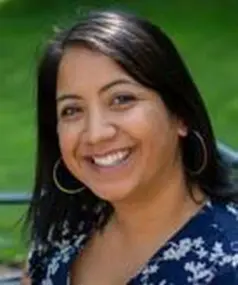
Noreen Naseem Rodríguez is an Assistant Professor of Elementary Education and Educational Justice in the Department of Teacher Education and core faculty in the Asian Pacific American Studies and Muslim Studies Programs at Michigan State University. Her current research, funded by the Spencer Foundation, examines the implementation of Asian American Studies in K-12 classrooms across the U.S. She has published over forty peer-reviewed book chapters and articles in scholarly and practitioner journals such as Harvard Educational Review, Curriculum Inquiry, and Journal of Children's Literature, and is co-author of Social Studies for a Better World: An Anti-Oppressive Approach for Elementary Educators with Katy Swalwell and Teaching Asian America in Elementary Classrooms with Sohyun An and Esther Kim. Before becoming a teacher educator, Noreen was a bilingual elementary teacher in Austin, Texas for nine years.
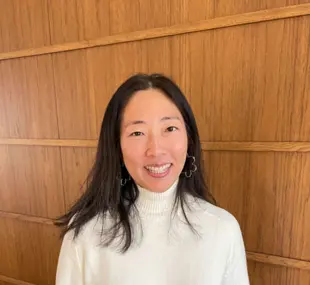
Esther June Kim is an Assistant Professor in Curriculum and Instruction and affiliate faculty of Asian Pacific Islander Studies at William & Mary. Her research focuses on how racial and religious identities (or different origin stories) might shape student understandings and embodiments of citizenship. She also explores how religious and racial narratives are taught (or not) primarily in secondary classrooms with particular attention to Asian American communities. Currently, her work includes collaborations with undergraduate students adapting archival research on Asian American histories to resources for K-12 students and educators. With Naseem Rodríguez and Sohyun An, she received the 2024 AERA Division K’s Innovations in Research on Equity and Social Justice in Teaching and Teacher Education Award. She is also a former high school humanities and history teacher who taught in both South Korea and California.
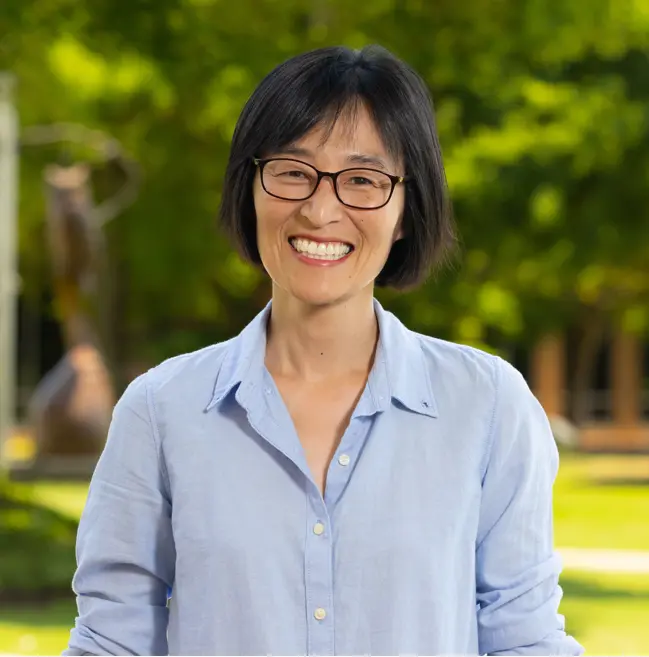
Sohyun An is a Professor of Social Studies Education at Kennesaw State University. Her research and teaching center on K-12 Asian American studies and social studies education. She is co-author of Teaching Asian America in Elementary Classroom with Drs. Noreen Naseem Rodríguez and Esther June Kim and has published over 80 peer-reviewed articles and book chapters and articles in scholarly and practitioner journals such as Multicultural Perspectives, Rethinking Schools, Social Studies and Young Learners, and Journal of Curriculum Studies. She received many awards including Distinguished Researcher Award from American Educational Research Association’s Research on the Education of Asian Pacific Americans Special Interest Group and Distinguished Professor Award from Kennesaw State University. She is also a co-founder of Asian American Voices for Education, working alongside Asian American youth, educators, and community organizers to advance Asian American studies and ethnic studies in Georgia’s K-12 schools. Before becoming a teacher educator, Sohyun was a social studies teacher in South Korea.
Dr. A. Susan Jurow is Professor of Learning 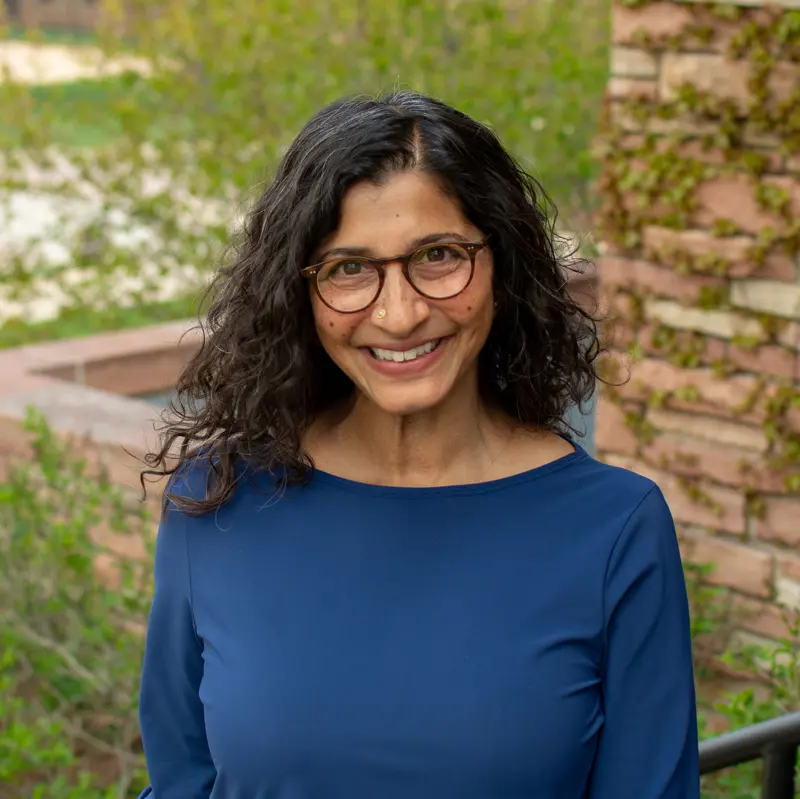 Sciences & Human Development at the University of Colorado, Boulder. She is also Co-Editor-in-Chief of Journal of the Learning Sciences (2021-2024). Dr. Jurow’s scholarship centers on ameliorating systems that marginalize communities. Her work involves research and design with historically non-dominant youth in school and community settings, progressive social activists, and technology designers. Across these contexts, Dr. Jurow and her collaborators foreground people’s capacity to organize new futures while struggling against systems of oppression. Dr. Jurow is also co-founder of the Healing, Empowerment, And Love (HEAL) program aimed at addressing academic harm for women of color graduate students through racial healing and holding space to deepen participants’ connection to their inner wisdom.
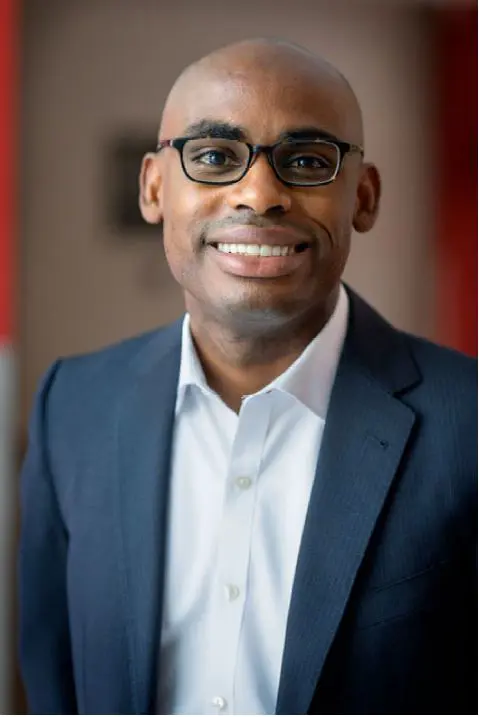
Neil Lewis, Jr. is a behavioral and intervention scientist at Cornell University and Weill Cornell Medicine, where he is an associate professor in the department of communication, division of general internal medicine, and graduate field of psychology. He also co-directs Cornell's Action Research Collaborative, which brings together researchers, practitioners, community members, and policymakers to address pressing issues in society. Lewis's research examines how people's social contexts and identities influence: (1) how they interpret and make meaning of the world around them, (2) their motivation to pursue their goals and success in goal pursuit efforts, and (3) the implications of these processes for interventions and policies to promote equity in social outcomes. He has received the Early Career Scholar Award from the International Communication Association (2023), the Janet Taylor Spence Award for Transformative Early Career Contributions from the Association for Psychological Science (2022), the Cornell Research and Extension Award for Outstanding Accomplishments in Science and Public Policy (2021), and the SAGE Young Scholar Early Career Award from the Society for Personality and Social Psychology (2020).
----------

Dr. Allyson Tintiangco-Cubales is an award-winning distinguished professor in the College of Ethnic Studies at San Francisco State University. Since 2000, she’s taught Asian American Studies focusing on Filipina/x/o (American) Studies, women studies, and courses focused on the praxis of Ethnic Studies pedagogy. She is also an affiliated faculty member in the Educational Leadership. She has mentored hundreds of critical master’s and doctoral students, now teaching and working in schools, colleges, and community organizations nationwide. Before her position at SFSU, she did her undergraduate work at UC Berkeley in Ethnic Studies and received her Ph.D. from UCLA in Education. In 2001, she founded Pin@y Educational Partnerships (PEP), a “barangay” that provides Ethnic Studies courses and curriculum, develops radical educators, and creates resources for Filipina/x/o communities and similarly marginalized people. Over the past two decades, she has worked with school districts, counties, and states to co-develop community rooted Ethnic Studies, Social Justice, and Filipino Language curricula. She has developed models of teacher development that are being used throughout California and beyond. She is also the co-founder and director of Community Responsive Education (CRE), a national firm that supports the development of responsive, equitable, and justice-driven educators. She is the author of four books of curriculum, and many articles focused on the applications of critical pedagogy, Ethnic Studies curriculum, Motherscholarship, and Pinayism. Dr. Tintiangco-Cubales recently won the CSU Wang Teaching Award. She will be inducted as an American Educational Research Association (AERA) fellow this year. The AERA Council established the AERA Fellows Program to honor education researchers with substantial research accomplishments, to convey the Association’s commitment to excellence in research, and to emphasize to new scholars the importance of sustained research of excellence in the field.
----------

Dr. Jennifer Randall is the Dunn Family Chair of Psychometrics and Test Development in the School of Education at the University of Michigan. She is also the founding President of the Center for Measurement Justice, which is a research center dedicated to facilitating the adoption and implementation of justice-oriented educational assessment and measurement processes. Dr. Randall received her bachelor’s (1996) and master’s (1999) degrees from Duke University and her doctoral degree from Emory University (2007). She began her career as a high school public-school teacher in social studies working with racially and ethnically minoritized students. It was in this capacity that she began to recognize the ways in which traditional assessment practices cause deep and irreparable harm to the most marginalized students – the students the system should be seeking to serve the most. Her work seeks to disrupt white supremacist, racist logics in assessment through assessment practices that center justice and are explicitly and unapologetically antiracist. She is committed to working with minoritized populations and our co-conspirators to explore the ways in which we can create a justice-oriented assessment system culture in which the sociocultural identities of students are deliberately considered, valued, and sustained - not as an afterthought, but rather - in the planning and development phases of assessment.
Dr. Randall’s work has been published in assessment and education journals such as Educational Measurement: Issues and Practice, Educational Assessment, and Comparative Education. She sits on numerous state and national working groups, committees, and technical advisories as a fierce advocate for antiracist, liberating processes and regulations that center the needs of Black, Brown, and Indigenous students. In addition, she teaches courses in measurement theory, statistics, research design, and assessment.
----------
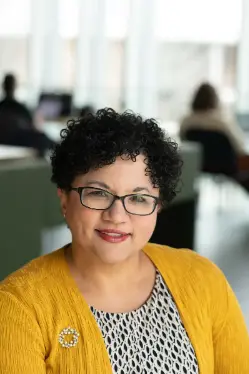
Dr. Susan C. Faircloth (an enrolled member of the Coharie Tribe of North Carolina) recently stepped away from her academic appointments, after 20 years as a professor and academic leader, to form an independent education consulting group, Two Feathers Consulting, LLC. In this role, she aims to more directly engage and serve individuals, communities, schools, and organizations.